



What to Do When Your Teeth Are Sensitive to Hot or Cold Food and Drinks?
Tooth sensitivity is a common condition that causes discomfort for many people, especially when drinking cold water or eating hot foods. It is a widespread issue that can affect your daily quality of life. So, how can you fix this situation? Let’s explore the causes and how to handle tooth sensitivity with Queen Anne Dentistry!
Causes of Tooth Sensitivity
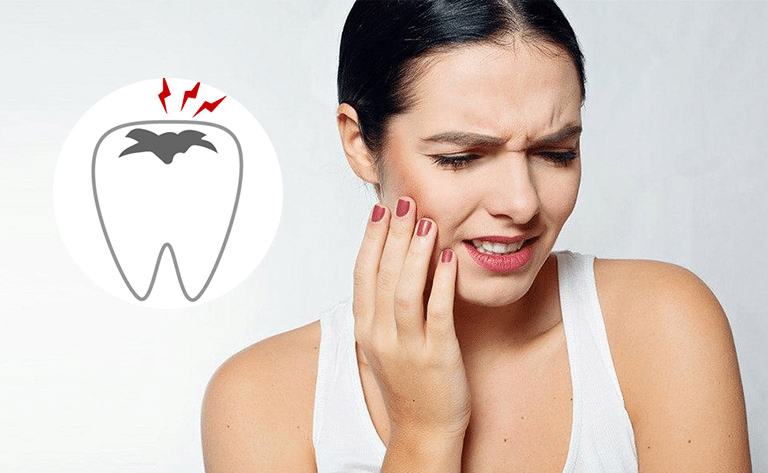
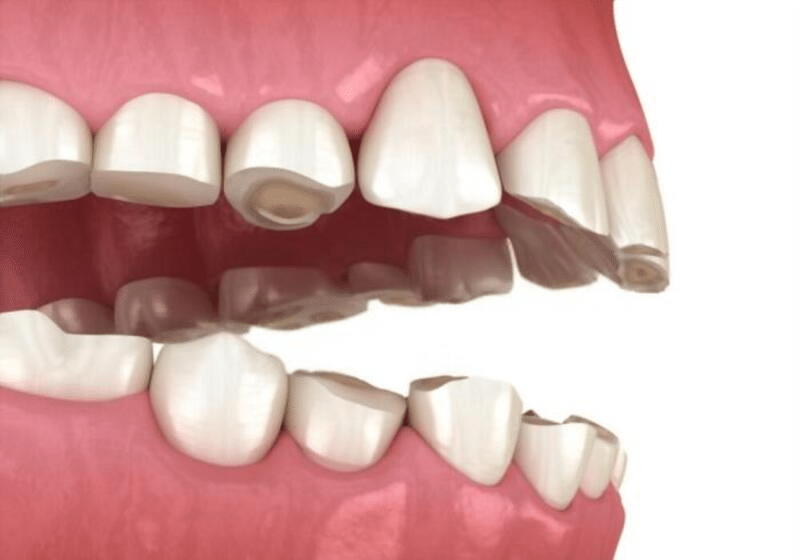
Sensitivity typically occurs when the tooth enamel is worn down or the gums recede, exposing the sensitive underlying layer called dentin. Some major causes include:
- Enamel Erosion: Tooth enamel can be worn away by using a hard-bristled toothbrush, brushing incorrectly, or consuming foods with high acidity.
- Gum Bleeding and Gum Recession: When gums recede, the dentin is exposed and becomes easily affected by temperature changes, leading to sensitivity.
- Tooth Decay or Fractures: Cracks in the teeth or cavities can also be the root cause of the sharp, sensitive sensation.
- Using Unsuitable Products: Some whitening toothpastes with strong abrasives or highly acidic foods can weaken the enamel over time, resulting in sensitivity.
How to Overcome Tooth Sensitivity
If you are experiencing sensitivity when consuming hot or cold items, don’t worry too much. Here are some solutions you can apply:
- Use Desensitizing Toothpaste: Special toothpastes designed for sensitive teeth can help protect the enamel and reduce discomfort. These products often contain fluoride or potassium nitrate, which help soothe tooth nerve sensitivity.
- Change Your Brushing Habits: Ensure you use a soft-bristled toothbrush and brush in gentle circular motions. Avoid applying too much force to your teeth and gums.
- Avoid Highly Acidic Foods and Drinks: Beverages like orange juice, carbonated sodas, or spicy and hot foods can make enamel more vulnerable. Limit your consumption of these items or use a straw to minimize direct contact with your teeth.
- Professional Dental Treatment: If sensitivity persists or is severe, you need to visit a dental clinic to identify the cause and receive timely treatment. Procedures such as fillings, cavity treatment, or professional fluoride gel application can help improve the condition.
- Protect Teeth from Trauma: If you have a habit of grinding your teeth while sleeping, use a mouthguard (night guard) to prevent damage to your teeth and dentin.
When Should You Visit the Dentist?
Although you can apply home remedies to reduce sensitivity, if the condition persists or worsens, you need to visit a dentist for advice and timely treatment. Cases that require a visit include:
- Sensitivity that persists and does not improve despite applying home care measures.
- Increased sensitivity when eating/drinking hot or cold items, or even spontaneous pain without triggers.
- Signs of tooth decay, cracks, or gum problems.
Conclusion
Tooth sensitivity to hot or cold stimuli can be a sign of various dental issues. However, with simple and effective measures, you can completely control and minimize this discomfort. If the condition does not improve, please visit Queen Anne Dentistry for a check-up and timely treatment.
Don’t let tooth sensitivity make you uncomfortable! Contact Queen Anne Dentistry today for professional advice and support.


