


Why Do Cavities Still Occur Despite Good Hygiene? Common Mistakes You Might Be Making!
1. Introduction
Have you ever felt frustrated that despite being very diligent about oral hygiene—brushing fully, flossing, and even rinsing with saltwater—you still get cavities? This is not uncommon, and many people face the exact same situation.
Many people believe that frequent brushing is enough to protect teeth from bacteria and plaque. However, in reality, there are many common mistakes in oral care that still allow bacteria to attack tooth enamel, leading to decay. If you are facing this issue, let’s explore the causes and solutions right now!
2. Common Mistakes That Cause Cavities Despite Careful Cleaning
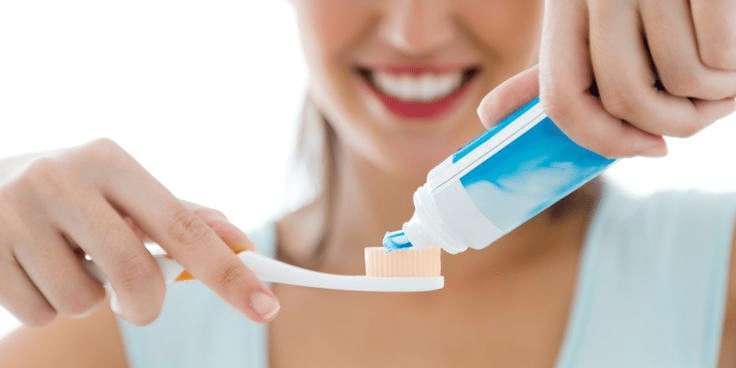
2.1. Incorrect Brushing Technique – A Harmful Misconception Thinking that brushing harder cleans better: Many people have the habit of brushing vigorously to feel “cleaner.” However, this can actually wear down tooth enamel, damage gums, and expose the dentin, making teeth more sensitive and prone to decay.
Brushing too quickly: One of the most common mistakes is not brushing for a sufficient amount of time. According to the American Dental Association (ADA), the ideal brushing time is at least 2 minutes per session. Yet, many people only brush for 30–60 seconds, leaving bacteria and plaque behind.
Using the wrong toothbrush: A toothbrush that is too hard can damage gums, while one that is too soft may not have enough force to clean plaque effectively. Additionally, if the toothbrush is not replaced regularly (about every 3 months), the bristles become worn and lose their cleaning efficiency.
- How to fix: Use a soft-bristled toothbrush and brush in a circular or vertical motion; avoid horizontal scrubbing with strong force. Brush for at least 2 minutes per session, morning and night before bed. Replace your toothbrush every 3 months or sooner if the bristles are frayed.
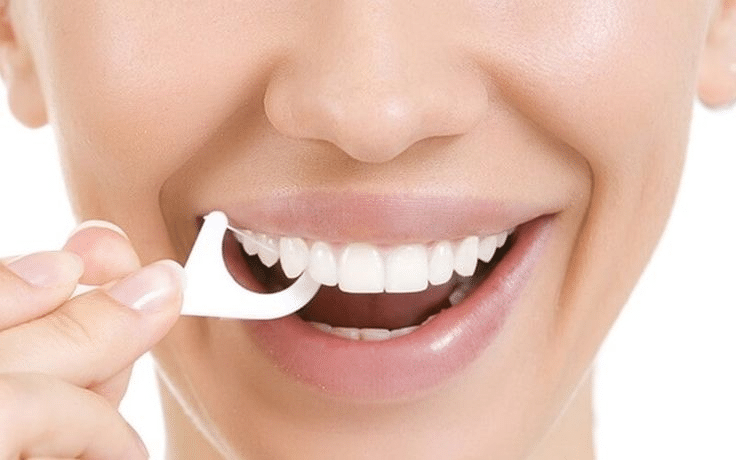
2.2. Brushing Without Flossing – A Major Gap in Oral Hygiene A toothbrush can only clean the surfaces of the teeth, but what about the plaque and food debris stuck between the teeth? This is a primary reason why cavities occur even if you brush very carefully.
Gaps between teeth are where bacteria thrive: About 35% of the tooth surface is located between the teeth, where a toothbrush cannot reach. If bacteria and plaque in these areas are not removed, they will ferment, producing acid that destroys enamel and causes cavities.
- How to fix: Use dental floss at least once a day, preferably in the evening before bed. If you are not comfortable with floss, you can use a water flosser to clean between teeth more easily.
2.3. Not Rinsing After Eating – An Opportunity for Bacteria After eating, especially foods containing sugar and starch like sweets, soft drinks, bread, or rice, bacteria in the mouth begin to ferment and produce acid, which erodes enamel. If you do not rinse your mouth immediately, this acid remains on the tooth surface for hours, causing erosion and increasing the risk of decay.
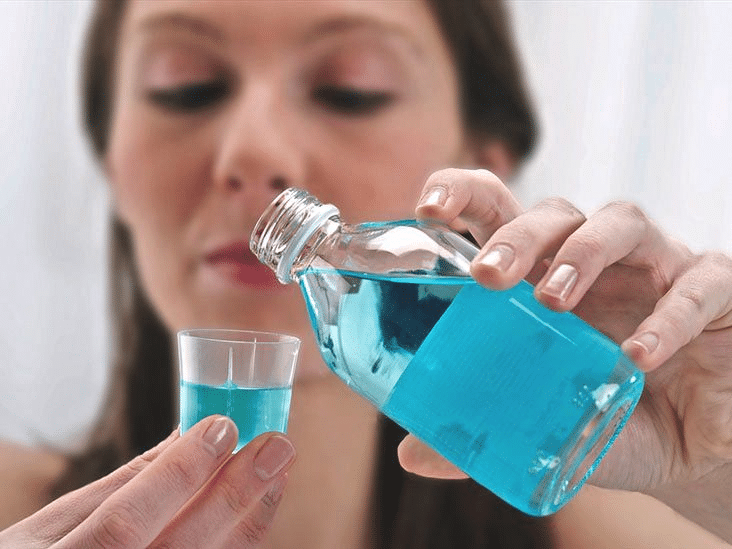
- How to fix: After eating, rinse your mouth immediately with plain water to remove leftover food debris. If possible, use an alcohol-free mouthwash to eliminate bacteria in the oral cavity.
2.4. Brushing Immediately After Eating – Thought to Be Good, But Actually Harmful Many people have a habit of brushing right after eating to clean their teeth, but this is actually a significant mistake. After eating, especially acidic foods like orange juice, lemon, tomatoes, or vinegar, tooth enamel temporarily softens. If you brush immediately at this time, you can wear away the enamel, making teeth more vulnerable to decay.
- How to fix: Wait at least 30 minutes to 1 hour after eating before brushing to allow the enamel time to remineralize. If you need to clean your mouth immediately, rinse with plain water before brushing.
2.5. Consuming Too Many Sweets and Carbonated Drinks – The “Silent Enemy” Sugar is the main food source for cavity-causing bacteria. When you consume a lot of sugar (milk tea, soda, candy, cakes, etc.), bacteria in the mouth break down the sugar into acid, which attacks the teeth.
- How to fix: Limit the consumption of sweets, especially in the evening before bed. If you drink soft drinks, use a straw to minimize direct contact with your teeth.

2.6. Skipping Regular Dental Check-ups – “Waiting for Pain to Treat” Many people only visit the dentist when they feel pain or encounter a serious problem. However, cavities may not cause pain in the early stages, leading to complacency until the cavity has spread significantly.
- How to fix: Visit the dentist at least every 6 months for early detection of cavities. Get regular professional cleaning (scaling) to remove bacteria and tartar.
3. Effective Cavity Prevention Methods
- Brush correctly, at least 2 minutes per session, twice a day.
- Combine dental floss and mouthwash for optimal cleaning.
- Limit sweets, carbonated drinks, and acidic foods.
- Visit the dentist periodically every 6 months.
4. Conclusion
Even if you are very careful with oral hygiene, falling into the mistakes mentioned above keeps the risk of cavities high. To protect your strong and healthy teeth, adjust your habits starting today!
Are you making any of these mistakes? Share with us in the comments section!


